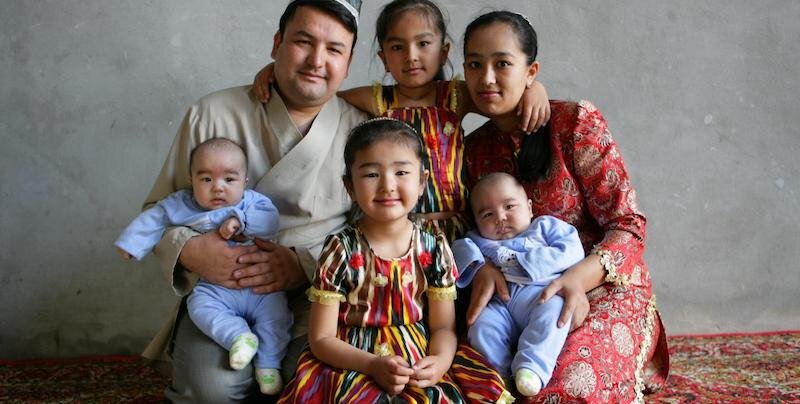
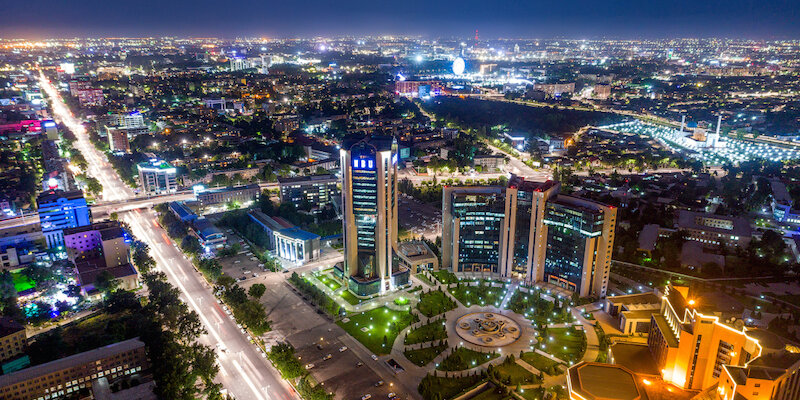
A new study projects that the population of Uzbekistan will rise to 44 million by 2100, with Central Asia identified as one of the few regions in the world that will register significant population growth in the coming decades.
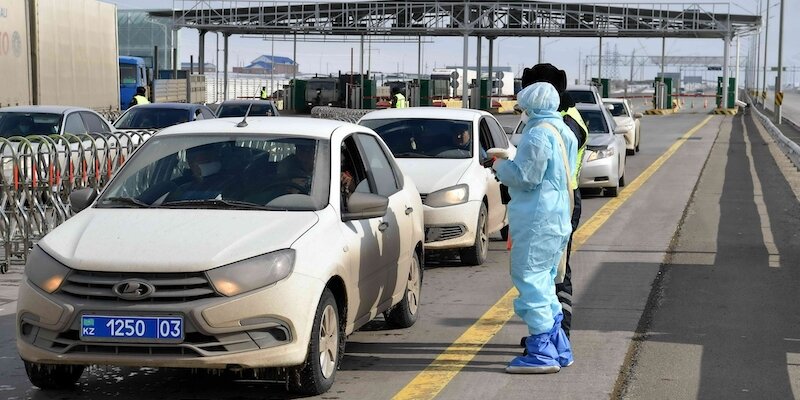
After recently rolling out its Central Asia strategy, the United States’ resolve to play against other great powers in a new Great Game faces its first major test in COVID-19.
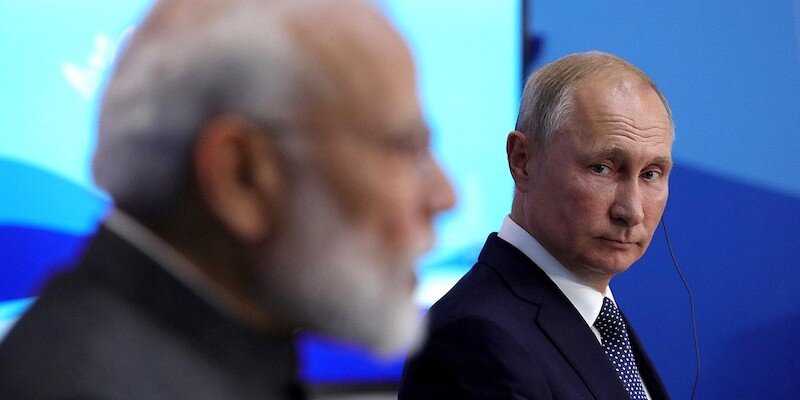
Conventional wisdom holds that New Delhi will turn to Washington as it increases competition with Beijing. But Moscow’s importance cannot be ignored.
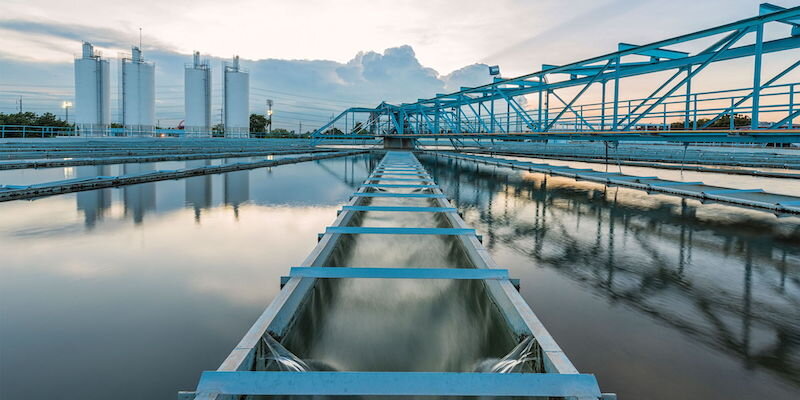
French water and waste management giant SUEZ has signed its first contract in Uzbekistan—a “flagship” EUR 142 million agreement with the Municipality of Tashkent and the Uzbek Ministry of Housing and Communal Services.
A new art community that launched on Facebook in mid-April brings together over 100 artists from Kazakhstan and Kyrgyzstan, but also Uzbekistan, Turkmenistan and Russia.
A poll conducted during a recent Eurasian Investor webinar revealed an optimistic outlook for the Uzbek economy post COVID-19. Of the 123 respondents, 77 percent believed that Uzbekistan will be “more attractive” as a destination for foreign investors when “compared with other frontier and emerging markets.”
As Russia and the Central Asian states struggle to contend with the challenges posed by the COVID-19 pandemic, China is becoming even more central to their political and economic calculations.
The government of Uzbekistan has called for the lifting of a decade-long boycott of Uzbek cotton, citing recent progress in human rights reforms and also the economic crisis caused by the COVID-19 global pandemic.
Human rights campaigners have now arrived at a crossroads, and must decide if an end to the long-running cotton boycott is justified in order to consolidate the development of a fairer and more just Uzbek economy.
Uzbeks are far less likely than people from similarly sized countries to move to a city. That hurts the economy and, indirectly, tears families apart.
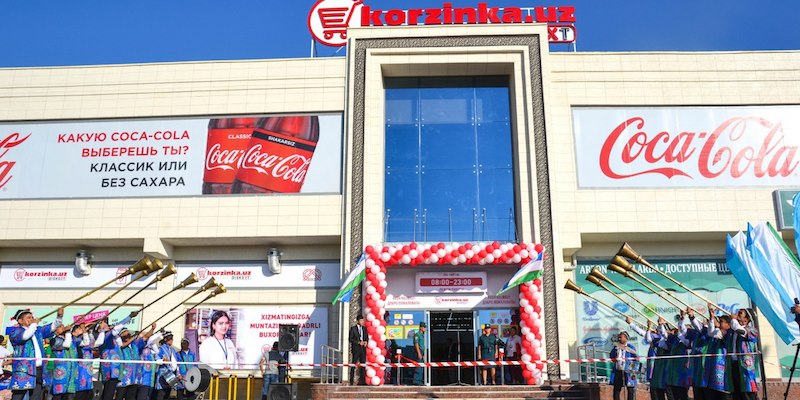
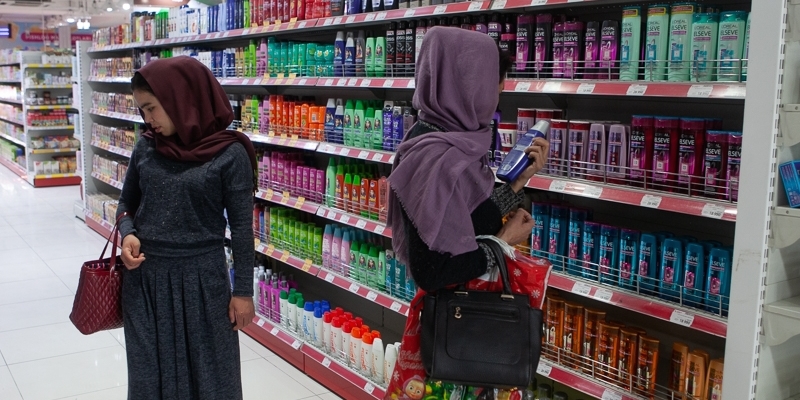
Uzbekistan’s leading supermarket chain has received preliminary approval for a $40 million dollar investment from the European Bank for Reconstruction and Development (EBRD), the largest such equity investment by EBRD in an Uzbek private sector enterprise.
The cultivation of Uzbekistan’s domestic investor base—not the attraction of foreign financiers—is the real imperative of the country’s forthcoming capital markets strategy.
Uzbekistan’s Minister of Finance, Jamshid Kuchkarov, confirmed Thursday that the Uzbek government plans to follow its successful February debut Eurobond with a second offering next year.
Though it is diversifying the main drivers of its impressive growth, Armenia’s dependence on Russia remains a vulnerability.
Uzbekistan’s economic growth is picking up. However, the government has yet to wean itself off of a state-led growth model that complicates market reforms.
It’s just been six months since the biggest crisis for Russian oil distribution in living history, and the leader of the country’s largest oil company is already flinging mud in the direction of the world’s other two giant oil producers, Saudi Arabia and the U.S.
Ryanair will start flying from Armenia to Italy and Germany next year, and the routes will include the first connection to Europe from Armenia’s second city, Gyumri.
China now buys nearly 80 percent of Turkmenistan’s exports, cementing its grip on Ashgabat.
Like in much of Central Asia, sinophobia runs deep in Kyrgyzstan. The Chinese government and expat community have embarked on a cultural charm offensive to soften perceptions of Beijing’s designs.
Uzbekistan’s Capital Markets Development Agency will soon launch an ambitious new strategy, intended to facilitate the public offering of ten state-owned enterprises with a combined value of $13 billion.
A new five-year strategic plan launched by President Shavkat Mirziyoyev in July calls for Uzbekistan to overhaul its inefficient and monopolistic energy sector.
As China funds infrastructure developments in Central Asia as part of the Belt and Road Initiative, trade with China has increased in step—at least for the region’s richest countries.
As the the only Central Asian republic bordering all the others, Uzbekistan’s trade liberalization will boost the economy of the whole region.
Yerevan has been trying to resist pressure from Washington to cut ties with its southern neighbor. But Armenia's private banks have been making it more difficult to do business.
After years of procrastination, Russia, the world’s fourth-biggest greenhouse gas emitter, has officially joined the Paris climate agreement, showing that President Vladimir Putin’s views of climate change are evolving and he wants his government to do more.
Global energy prices and the scale of Azerbaijan’s energy exports will determine whether the country's sovereign wealth fund can continue growing at such a rapid pace.
With the launch of Khan Academy O’zbek, the world’s leading free online education platform is now available to Uzbekistan’s 9 million primary and secondary school students.
Despite overtaking Tajikistan in the scale of its external debt, Kyrgyzstan seems to be managing better.
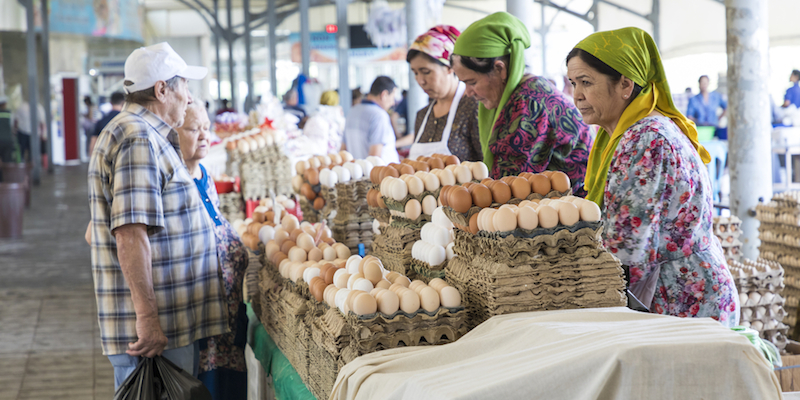
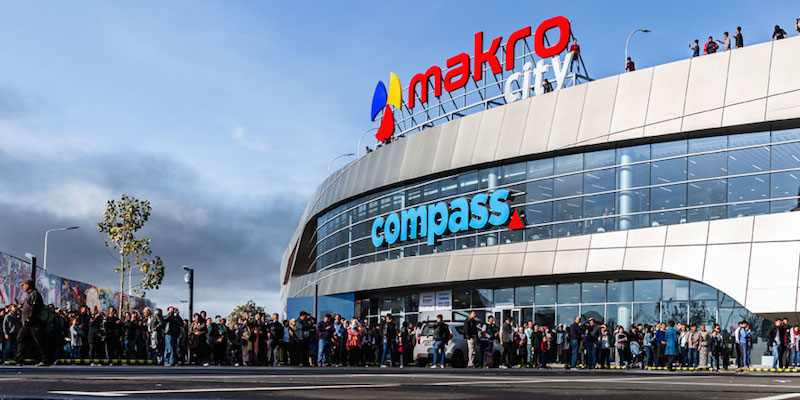
Shopping in the traditional bozors, or markets, will continue to be the dominant retail experience in Uzbekistan for years to come. But for an emerging middle class, shopping malls like Compass show the way to a newly affluent lifestyle.
Tajikistan’s indebtedness has now risen enough for the World Bank to categorize the country as at a “high” risk of being unable to service its obligations.
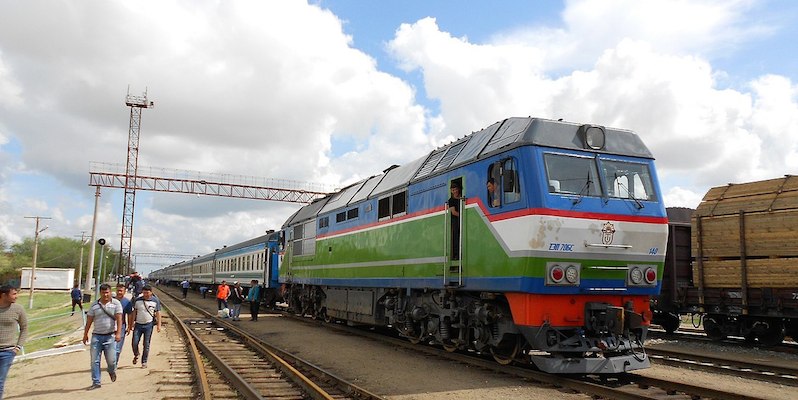
A new railroad compact and the designation of a special economic zone in Uzbekistan reflect the central government’s attempts to balance economic liberalization with the maintenance of political networks.